
App Growth Strategy in Nepal — From Zero Downloads to a Product That Scales
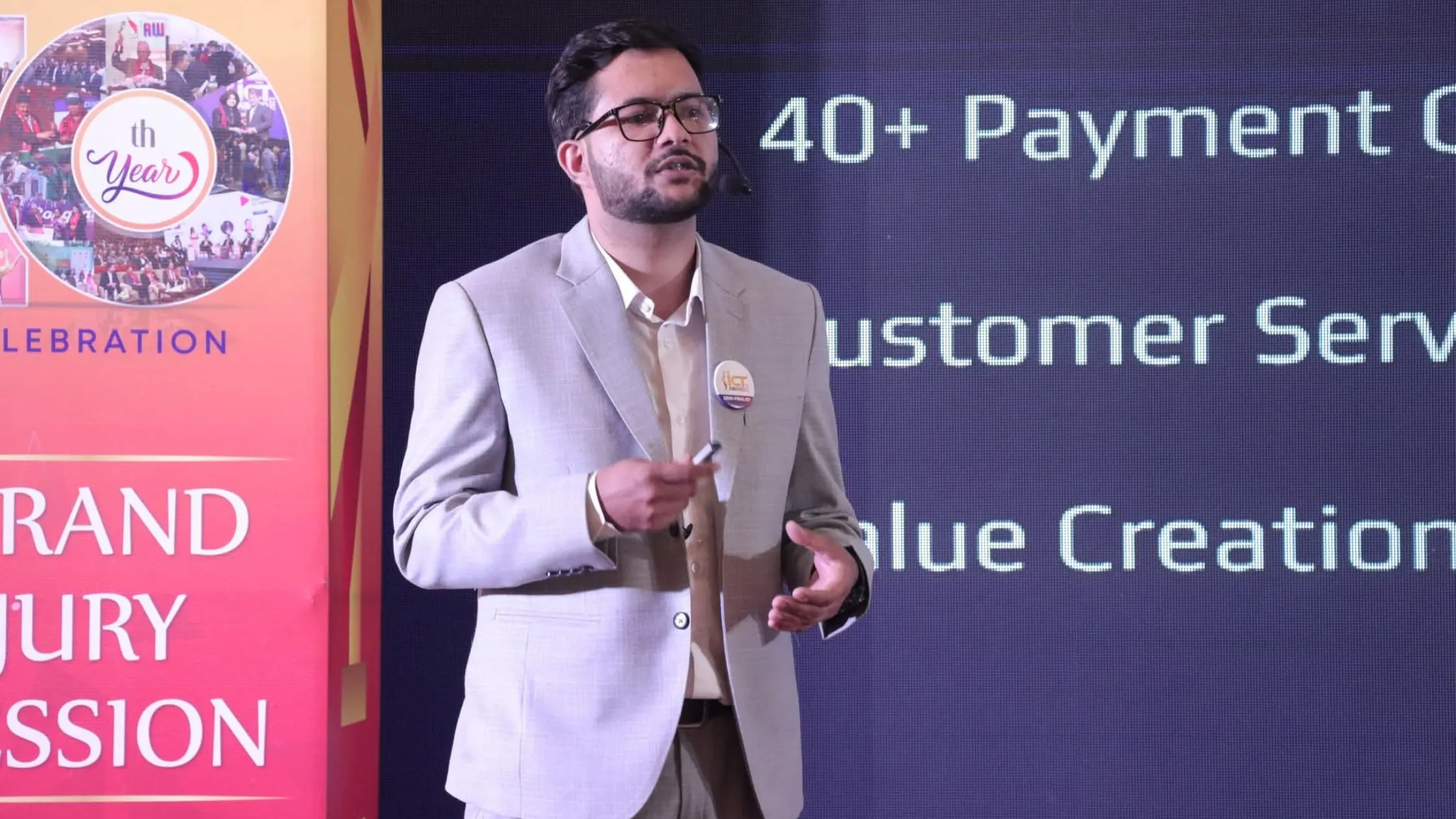
Building a great app is the hard part. Getting people to download it, use it, and keep coming back is a completely different challenge — and one that most Nepali app founders underestimate until they are sitting on a well-built product with a flat download curve and a high uninstall rate.
App growth is a specialised discipline. It combines App Store Optimisation, paid user acquisition, product analytics, retention strategy, and community building into a coordinated system. Every piece affects the others. Getting one right while ignoring the rest produces short-term spikes and long-term stagnation.
I’m Bimal Raj Paudel — a Growth and Digital Strategist based in Kathmandu and one of the very few specialists in Nepal with a dedicated app growth track record. I built and executed the growth strategy for Trip Turbo — a Nepali travel app that reached 500K+ downloads. Currently, I’m budling Bhudki app — a localized Finance app for Nepal.
I’ve run app install campaigns across Meta and Google UAC, optimised app store listings for organic discovery, and built retention systems that reduce churn and increase lifetime user value.
There is no other dedicated app growth strategist in Nepal. If you are building or scaling a Nepali app, this is the page you have been looking for.
Let’s Talk About Your App Growth
The App Growth Challenge in Nepal — Why Most Nepali Apps Stall
Nepal’s mobile app market has grown rapidly. Smartphones are everywhere, mobile data is affordable, and Nepali users are adopting apps across every category — travel, fintech, food delivery, education, health, and entertainment. The opportunity is real.
But most Nepali apps follow the same painful trajectory:
-
Launch with a burst of downloads driven by the founding team’s network and initial PR
-
Downloads plateau after the first wave of organic installs dries up
-
A Facebook ads campaign is launched — installs come in but uninstall rates are high and retention is poor
-
The team concludes “paid ads don’t work for apps” and reduces marketing spend
-
The app stagnates with a loyal but small user base and the product roadmap outpaces the user growth
This trajectory is not inevitable. It is the result of treating app marketing like website marketing — running traffic campaigns without an app-specific growth framework. App growth requires a fundamentally different approach.
The App Growth Framework I Use for Nepali Apps
App growth has four interconnected pillars. Weakness in any one pillar limits the others. I work across all four simultaneously:
Pillar 1 — App Store Optimisation (ASO)
ASO is the app equivalent of SEO. It is the process of optimising your app store listing — on Google Play and the Apple App Store — so that your app ranks higher in app store search results and converts more visitors into installs. A well-optimised app listing drives organic installs without any paid spend — and those organic installs are consistently higher quality than paid installs.
ASO covers:
-
App title and subtitle optimisation with high-volume, relevant keywords
-
Keyword field research and optimisation for Google Play and App Store
-
Short and long description writing — keyword-rich, conversion-focused
-
Screenshot and preview video optimisation — the visual elements that determine whether a visitor installs or bounces
-
Category selection and localisation for Nepali market
-
Rating and review strategy — more positive ratings improve store ranking and install conversion rate
Pillar 2 — Paid User Acquisition
Paid campaigns that drive targeted app installs from the specific user segments most likely to become retained, engaged users — not just raw download numbers.
Channels I use for Nepal app campaigns:
-
Meta App Install Campaigns — Facebook and Instagram campaigns optimised for app installs and post-install events. Target Nepali users by interest, behaviour, device type, and lookalike audiences built from your existing high-value users
-
Google Universal App Campaigns (UAC) — Google’s AI-powered app campaign type that runs across Search, Display, YouTube, and Google Play simultaneously. Optimised toward post-install events, not just installs, to attract quality users
-
TikTok App Install Campaigns — for Nepali apps targeting younger demographics, TikTok’s app install campaigns offer strong reach at competitive CPIs
The key distinction in how I run paid app campaigns: I optimise toward post-install events — first session, feature activation, in-app purchase, or day-7 retention — not just install volume. This produces fewer but far more valuable users compared to campaigns optimised for raw install count.
Pillar 3 — Retention and Engagement
Acquiring users is only half the battle. In Nepal’s mobile market, average app uninstall rates within the first 30 days are high — especially for apps that don’t have a clear ongoing value proposition. Retention strategy is what separates apps that grow from apps that spin their wheels replacing churned users with new installs.
Retention work covers:
-
Onboarding flow optimisation — the first session experience determines whether a user becomes active or uninstalls within 24 hours
-
Push notification strategy — timing, frequency, personalisation, and message content for Nepal user behaviour patterns
-
In-app messaging — contextual messages that guide users to key features and reinforce value at critical drop-off points
-
Re-engagement campaigns — reaching lapsed users via push, email, or paid retargeting to bring them back into the app
-
Feature adoption tracking — identifying which features drive long-term retention and ensuring new users discover them quickly
Pillar 4 — Organic Growth and Community
Paid acquisition and ASO bring users in. Organic growth compounds over time — word of mouth, referral programmes, social media content, PR, and app store ratings all contribute to a sustainable growth flywheel that reduces dependence on paid spend over time.
-
Referral programme design — the most efficient user acquisition channel for social and utility apps in Nepal
-
Social media strategy for app brand building — content that drives organic installs and builds community around the product
-
App store rating campaigns — systematic in-app prompts that build the rating volume and average that improves store ranking
-
PR and press strategy — getting coverage in Nepali tech media and relevant publications for launch and milestone moments
Trip Turbo — A Real Nepal App Growth Case Study
Trip Turbo is one of Nepal’s leading travel apps. I was engaged to build and execute the growth strategy for the app during a critical scaling phase.
The work spanned all four growth pillars — App Store Optimisation to improve organic discoverability, Meta and Google UAC campaigns optimised toward retention-positive user segments, onboarding and push notification strategy to improve day-30 retention, and social media content that built community around the brand.
The result: []500K+] downloads driven through the combined organic and paid growth framework.
This is not an outlier result achieved through a single viral campaign. It is the cumulative outcome of a structured, multi-pillar growth system applied consistently over time. The same framework applies to any well-built Nepali app in a category with genuine demand.
App Growth by App Category in Nepal
| App Category | Growth Strategy Focus | Key Channels |
|---|---|---|
| Travel and Tourism | Seasonal campaigns, destination content, referral programme | Meta Ads, Google UAC, Instagram, TikTok |
| Fintech and Payments | Trust building, referral incentives, feature adoption campaigns | Facebook Ads, Google UAC, SMS, WhatsApp |
| Food Delivery | Promo-driven installs, retention through order frequency, local area targeting | Meta Ads, Google, hyperlocal targeting |
| Education and Learning | Course completion focus, academic calendar timing, student community | Facebook, Google Search, YouTube |
| Health and Fitness | Habit formation, streak mechanics, community features | Instagram, Facebook, Google UAC |
| Utility and Productivity | Feature discovery, integration depth, power user conversion | Google Search, Google Play ASO, LinkedIn |
| Entertainment and Gaming | Viral loops, social features, content-driven awareness | TikTok, Meta, YouTube, Google UAC |
Key App Growth Metrics I Track for Nepal Apps
| Metric | What It Measures | Why It Matters |
|---|---|---|
| CPI (Cost Per Install) | Average cost to acquire one app install | Efficiency of paid acquisition campaigns |
| Day-1 Retention | % of users who return to the app the day after installing | Quality of onboarding and first session experience |
| Day-7 Retention | % of users still active 7 days after install | Whether the app delivers enough value to become a habit |
| Day-30 Retention | % of users still active 30 days after install | Long-term user value and product-market fit indicator |
| Uninstall Rate | % of users who uninstall within 30 days | Early indicator of onboarding and value proposition problems |
| ASO Conversion Rate | % of app store page visitors who install | Effectiveness of store listing optimisation |
| Organic Install Rate | % of installs from organic app store search | Health of ASO and word-of-mouth growth |
| LTV (Lifetime Value) | Total value a user generates over their lifetime in the app | Determines sustainable CPI ceiling for paid acquisition |
Frequently Asked Questions
When should I start thinking about app growth strategy?
Ideally before you launch — not after downloads plateau. The most impactful time to engage an app growth strategist is 4–6 weeks before launch, when there is still time to optimise the app store listing, set up proper tracking, design the onboarding flow, and plan the launch campaign. Post-launch engagement is also valuable — it is never too late to fix a growth problem — but pre-launch work is significantly more efficient.
How much does it cost to acquire app users in Nepal?
Cost Per Install (CPI) in Nepal typically ranges from NPR 10–150 on Meta and Google campaigns depending on app category, targeting precision, and creative quality. This is significantly lower than global CPI benchmarks, making Nepal one of the most cost-efficient markets for app user acquisition. However, CPI alone is a misleading metric — I optimise toward retained users, not just installs, which changes the targeting strategy and typically produces a higher CPI but far better long-term user quality.
My app has downloads but users are not staying. What is the problem?
High uninstall rates and low retention almost always indicate one of three issues: a mismatch between what the app promised in marketing and what it delivers, a poor onboarding experience that doesn’t get users to the core value quickly enough, or a fundamental product-market fit issue where the app doesn’t solve a problem users feel strongly enough about to maintain a habit. I diagnose which issue is at play through retention data analysis before recommending a solution.
Do you work on both Android and iOS app growth?
Yes. In Nepal, Android dominates due to the prevalence of affordable Android smartphones — the majority of app installs in Nepal happen through Google Play. iOS is a smaller but often higher-value segment in Nepal, concentrated in urban, higher-income demographics. I build growth strategies that prioritise Android while maintaining iOS presence for the relevant audience segments.
Can you help with the app store listing if our app is already live?
Yes — ASO can be implemented at any stage. If your app is already live with a suboptimal store listing, improving the title, description, keywords, screenshots, and preview video can significantly increase your organic install rate without any additional ad spend. I conduct a full ASO audit as part of every app growth engagement regardless of whether the app is pre or post-launch.
How long does it take to see results from app growth work?
ASO improvements typically show impact within 2–4 weeks as the app stores re-index the updated listing. Paid campaign results are visible within days of launch. Retention improvements take 4–8 weeks to measure accurately as you need a cohort of users to move through their retention curve. Overall growth trajectory improvements are typically measurable within 60–90 days of starting a structured growth programme.
Ready to Build an App Growth System for Your Nepali App?
Whether you are launching a new app, trying to break through a download plateau, or rebuilding retention for an app that is losing users — I can help. There is no other dedicated app growth strategist in Nepal with a proven track record at scale. Let’s talk about your app and what it would take to grow it.
Seize the Opportunity
Transform Your Business Today
Based in Kathmandu. Working with app founders and teams across Nepal and remotely.